

The body content of your post goes here. To edit this text, click on it and delete this default text and start typing your own or paste your own from a different source.

Cuando un ser querido fallece en Estados Unidos y la familia desea llevar sus restos a otro país, existen varios pasos que deben coordinarse. El envío de restos humanos a otro país , también conocido como transporte internacional o repatriación de restos, puede requerir la participación de una funeraria, aerolíneas, consulados, autoridades gubernamentales y otros profesionales. En Graceful Memorial Chapel , entendemos lo difícil que puede ser atravesar este proceso mientras se está de duelo. Nuestro equipo puede ayudarle a comprender las opciones disponibles y a coordinar los arreglos necesarios para transportar a su ser querido. ¿Qué Significa Repatriar Restos Humanos a Otro País? La repatriación de restos humanos consiste en coordinar el traslado de una persona fallecida desde Estados Unidos hacia otro país para su funeral, entierro o servicio conmemorativo. Las familias pueden necesitar este servicio cuando: Un ser querido falleció mientras vivía en Estados Unidos. Un familiar falleció mientras visitaba Houston u otra ciudad de Estados Unidos. La familia desea que su ser querido sea sepultado en su país de origen. El fallecido tenía familiares en otro país. Existen razones culturales, religiosas o personales para llevar a la persona de regreso a su país. Debido a que cada país tiene sus propios requisitos, es importante comenzar a coordinar el proceso lo antes posible. ¿Qué Documentos Se Necesitan para Enviar Restos Humanos a Otro País? Los documentos necesarios pueden variar dependiendo del país de destino y de las circunstancias del fallecimiento. Dependiendo del caso, la familia puede necesitar: Copias certificadas del certificado de defunción Documentos de identificación Permisos de entierro o tránsito Documentación relacionada con la preparación del cuerpo Documentación de la funeraria Documentos consulares o de la embajada Documentación requerida por la aerolínea Otros documentos exigidos por el país de destino Algunos documentos pueden necesitar traducción, notarización, certificación u otros procesos de validación. Los requisitos cambian según el país , por lo que es importante confirmar las regulaciones actuales con el consulado o la embajada correspondiente. ¿Se Pueden Transportar Restos Humanos por Avión? Sí. El transporte internacional de restos humanos puede realizarse mediante transporte aéreo. La funeraria puede trabajar con los proveedores de transporte y las aerolíneas correspondientes para coordinar el traslado. Las aerolíneas tienen requisitos específicos sobre cómo deben prepararse, embalarse, identificarse y documentarse los restos humanos. Una funeraria con experiencia puede ayudar a coordinar estos detalles y comunicarse con las partes correspondientes. ¿Qué Ocurre Si la Familia Elige la Cremación? Las familias que eligen la cremación también pueden necesitar transportar las cenizas de un ser querido a otro país . El proceso para transportar restos cremados puede ser diferente al transporte de un cuerpo antes de la cremación. Dependiendo del país de destino, podrían requerirse: Certificado de defunción Documentación de la cremación Documentos que identifiquen las cenizas Una urna o recipiente adecuado Documentación para el transporte o aduanas Documentos requeridos por las autoridades del país de destino Si planea llevar las cenizas personalmente a otro país, es importante consultar previamente los requisitos de la aerolínea y del país al que viajará. ¿Por Qué Es Útil Trabajar con una Funeraria? El transporte internacional puede involucrar muchos pasos, especialmente cuando una familia está atravesando un momento de duelo. Una funeraria puede ayudar a coordinar diferentes aspectos del proceso, incluyendo: Preparación del ser querido para el transporte Coordinación de documentos Comunicación con proveedores de transporte Coordinación con las autoridades correspondientes Comunicación con una funeraria en el país de destino Preparación de documentación necesaria Explicación de las opciones disponibles para la familia Contar con profesionales funerarios que conozcan el proceso puede ayudar a reducir la confusión y evitar retrasos innecesarios. ¿Cuánto Tiempo Toma Transportar Restos Humanos a Otro País? No existe un tiempo específico que aplique a todos los casos. El tiempo puede depender de diferentes factores, como: El país de destino Los permisos y documentos requeridos Requisitos del consulado Disponibilidad de vuelos Procesos de aduana Inspecciones o autorizaciones adicionales Las circunstancias del fallecimiento Si el caso involucra a un médico forense u otra autoridad, puede ser necesario esperar hasta que los restos sean autorizados para ser entregados a la funeraria. ¿Qué Pasa Si el Fallecimiento Ocurrió en Houston? Cuando un ser querido fallece en Houston y la familia desea llevarlo a otro país, una funeraria puede ayudar a coordinar los arreglos necesarios. Graceful Memorial Chapel sirve a familias en Houston y comunidades cercanas, incluyendo North Houston, Spring, Klein, Champions, FM 1960, Tomball, The Woodlands, Humble y Cypress . Nuestro equipo puede ayudar a las familias a comprender sus opciones para el transporte internacional de restos humanos y, cuando sea necesario, coordinar con profesionales funerarios en el país de destino. Planificar con Anticipación el Transporte Internacional Si sabe que desea que su ser querido sea llevado a otro país, hablar con una funeraria con anticipación puede ser de gran ayuda. Planificar permite que la familia conozca el proceso, haga preguntas, comprenda los posibles requisitos y se prepare para la documentación que pueda necesitar. Graceful Memorial Chapel Está Aquí para Ayudar Perder a un ser querido es difícil, y tener que coordinar un traslado internacional puede hacer que un momento ya doloroso sea aún más complicado. En Graceful Memorial Chapel , estamos aquí para ayudar a las familias a comprender sus opciones y coordinar los arreglos necesarios para transportar a un ser querido a otro país. Ya sea que necesite ayuda con el envío internacional de restos humanos, repatriación de un ser querido, transporte internacional de cenizas o coordinación con una funeraria en otro país , nuestro equipo está disponible para orientarle durante el proceso. Comuníquese con nuestro equipo para obtener más información sobre el transporte internacional de restos humanos y las opciones funerarias disponibles para su familia.
When a loved one passes away in the United States and their family wishes to return them to another country, there are many details that need to be handled. Shipping human remains internationally , sometimes referred to as international transportation or repatriation of remains, can involve funeral home arrangements, airline requirements, government documentation, and the requirements of the destination country. At Graceful Memorial Chapel , we understand how difficult this process can be for families. Our team can help explain the arrangements and documentation involved in transporting a loved one to another country. What Does It Mean to Ship Human Remains Internationally? International transportation of human remains means arranging for a deceased person to be transported from the United States to another country for burial or funeral services. Families may need international transportation when: A loved one passed away while living in the United States. A family member passed away while visiting Houston or another U.S. city. The family wishes to have their loved one buried in their country of origin. The deceased had family members in another country. The family has cultural, religious, or personal reasons for returning their loved one home. Because every country has its own requirements, it is important to begin the process as soon as possible. What Documents Are Needed to Ship Human Remains? The documentation required can vary depending on the destination country and the circumstances of the death. Depending on the situation, families may need documents such as: Certified copies of the death certificate Identification documents Burial or transit permits Embalming documentation, when required Documentation from the funeral home Consular or embassy documentation Airline transportation paperwork Other documents required by the destination country Some documents may need to be translated, notarized, authenticated, or otherwise certified. Requirements can vary by country , so families should verify the current requirements with the appropriate consulate or embassy. Can Human Remains Be Shipped by Air? Yes. International transportation of human remains is commonly coordinated through air transportation. Funeral homes work with appropriate transportation providers and airlines to arrange the shipment. Airlines have specific requirements regarding how human remains must be prepared, packaged, labeled, and documented. The funeral home can help coordinate these arrangements and communicate with the appropriate parties. What About Shipping Cremated Remains to Another Country? Families who choose cremation may also need to transport their loved one’s cremated remains internationally . The process for transporting cremated remains can be different from transporting a body before cremation. Depending on the destination country, families may need: A certified death certificate Cremation documentation Documentation identifying the cremated remains An appropriate urn or container Transportation or customs paperwork Documents required by the destination country’s authorities If you are planning to take cremated remains to another country yourself, it is important to check the requirements of both the airline and the destination country before traveling. Why Is a Funeral Home Helpful With International Transportation? International transportation can involve many steps, especially when a family is grieving. A funeral home can help families understand the process and coordinate important arrangements, which may include: Preparing the deceased for transportation Coordinating required documentation Working with transportation providers Communicating with the appropriate authorities Coordinating with a receiving funeral home in another country Preparing the necessary paperwork Helping families understand available options Having an experienced funeral professional assist with the process can help families avoid unnecessary confusion and delays. How Long Does International Transportation Take? There is no single timeframe for shipping human remains to another country. The amount of time can depend on factors such as: The destination country Required permits and documents Consular requirements Airline availability Customs procedures Whether additional examinations or approvals are required The circumstances surrounding the death If a medical examiner or other authority is involved, additional time may be necessary before the remains can be released to the funeral home. What If the Death Occurred in Houston? When a loved one passes away in Houston and the family wants to return them to another country, the funeral home can help coordinate the necessary arrangements. Graceful Memorial Chapel serves families throughout Houston and surrounding communities, including North Houston, Spring, Klein, Champions, FM 1960, Tomball, The Woodlands, Humble, and Cypress . Our team can help families understand their options for international transportation of human remains and coordinate with funeral professionals in the destination country when necessary. Planning Ahead for International Transportation If you know that you would like your loved one to be returned to another country, discussing transportation arrangements with a funeral home early can be helpful. Planning ahead allows your family to learn about the process, ask questions, understand potential requirements, and prepare for the documentation that may be needed. Graceful Memorial Chapel Can Help Losing a loved one is difficult, and having to coordinate an international transfer can make an already stressful situation even more challenging. At Graceful Memorial Chapel , we are here to help families understand their options and navigate the arrangements involved in transporting a loved one to another country. Whether your family needs assistance with shipping human remains internationally, repatriating a loved one, transporting cremated remains, or coordinating with a funeral home in another country , our team can help guide you through the process. Contact our team to learn more about international transportation and funeral arrangements for your loved one.

Planificar un funeral o una cremación puede ser abrumador, especialmente cuando también existe preocupación por los costos. Muchas familias desean ofrecer una despedida significativa para su ser querido sin tener que asumir una carga financiera innecesaria. En Graceful Memorial Chapel , creemos que las familias deben tener acceso a servicios funerarios económicos y respetuosos en Houston . Nuestro equipo se toma el tiempo para explicar las diferentes opciones disponibles para que pueda tomar decisiones de acuerdo con los deseos, las necesidades y el presupuesto de su familia. Los Servicios Funerarios Económicos También Pueden Ser Significativos Elegir un servicio funerario económico no significa elegir una despedida menos significativa. Las familias pueden crear un homenaje hermoso mientras mantienen los gastos dentro de sus posibilidades. Dependiendo de sus preferencias, algunas opciones pueden incluir un funeral tradicional, una reunión familiar privada, un servicio conmemorativo o una cremación. Nuestro equipo puede ayudarle a comprender las diferentes opciones y encontrar los servicios que mejor se adapten a su presupuesto. Opciones Económicas de Cremación La cremación se ha convertido en una opción que muchas familias consideran porque puede ofrecer mayor flexibilidad y diferentes alternativas de costo. Algunas opciones pueden incluir: Cremación directa Cremación con visita de identificación Servicio funerario antes de la cremación Servicio conmemorativo después de la cremación Despedida privada para la familia Arreglos de cremación personalizados Cada familia tiene necesidades diferentes. Podemos explicarle cada alternativa para que pueda elegir la opción que considere adecuada para su familia. Cremación Directa Para las familias que buscan una de las opciones de cremación más económicas, la cremación directa puede ser una alternativa a considerar. La cremación directa generalmente no incluye una velación o un servicio funerario tradicional antes de la cremación. Esto puede ofrecer un proceso más sencillo y, al mismo tiempo, permitir que la familia realice posteriormente un homenaje o servicio conmemorativo. Las familias también pueden organizar una Celebración de Vida o un servicio conmemorativo en otro momento, cuando familiares y amigos puedan reunirse. También Puede Tener una Visita con la Cremación Algunas familias creen que elegir la cremación significa que no podrán ver a su ser querido antes de la cremación. Esto no siempre es así. Dependiendo de los arreglos seleccionados, las familias pueden tener una visita de identificación o una visita privada antes de la cremación . Esto puede brindarles a los familiares más cercanos la oportunidad de despedirse, mientras mantienen la cremación como la disposición final elegida. Los Servicios Funerarios Económicos Pueden Ser Personalizados Un funeral significativo no tiene que incluir todos los servicios o gastos disponibles. Las familias pueden personalizar el servicio eligiendo los elementos que son más importantes para ellas, como: Flores favoritas Fotografías familiares Lecturas u oraciones religiosas Música favorita Recuerdos personales Mesas con fotografías y recuerdos Elogios y homenajes Honores militares Una Celebración de Vida Lo más importante de un funeral es honrar a la persona que amamos y crear un momento para que familiares y amigos puedan recordar su vida. Planificar con Anticipación Puede Ayudar a las Familias Otra manera en que las familias pueden prepararse para los gastos funerarios es mediante la planificación funeraria anticipada (pre-need) . Planificar con anticipación le brinda la oportunidad de conocer los servicios disponibles antes de que ocurra un fallecimiento. También permite que la familia tenga más tiempo para hablar sobre sus deseos y comprender los posibles costos sin tener que tomar decisiones durante un momento de dolor. La planificación anticipada puede brindar tranquilidad y ayudar a que sus seres queridos conozcan mejor sus deseos cuando llegue el momento. ¿Qué Debe Preguntar Sobre los Costos Funerarios? Al comparar servicios funerarios o de cremación, es importante entender exactamente qué está incluido. Las familias pueden preguntar: ¿Qué servicios están incluidos en el precio? ¿Existen cargos adicionales? ¿Qué opciones de cremación están disponibles? ¿Se puede realizar una visita de identificación? ¿Podemos tener un funeral antes de la cremación? ¿Existen opciones de pago? ¿Se puede personalizar el servicio? ¿La funeraria ayuda con la documentación necesaria? ¿Qué opciones existen para familias con un presupuesto limitado? Comprender sus opciones puede ayudarle a evitar gastos inesperados y tomar una decisión informada. Servicios Funerarios Económicos en North Houston Graceful Memorial Chapel se enorgullece de servir a las familias de Houston y las comunidades cercanas, incluyendo: Houston North Houston Spring Klein Champions FM 1960 Tomball The Woodlands Humble Cypress Una Funeraria que Entiende Su Presupuesto Perder a un ser querido es suficientemente difícil sin tener que sentirse abrumado por los gastos funerarios. En Graceful Memorial Chapel , nuestro objetivo es ayudar a las familias a comprender sus opciones y encontrar arreglos que respeten tanto a su ser querido como su presupuesto. Ya sea que esté buscando servicios funerarios económicos en Houston, cremación económica, cremación directa, cremación con visita o planificación funeraria anticipada , nuestro equipo está aquí para responder sus preguntas y acompañarle durante el proceso. No tiene que tomar estas decisiones solo. Comuníquese con nuestro equipo para conocer más sobre las opciones económicas de servicios funerarios y cremación disponibles para su familia.
Planning a funeral or cremation can be overwhelming, especially when you are also concerned about the cost. Many families want to provide a meaningful farewell for their loved one without taking on unnecessary financial stress. At Graceful Memorial Chapel , we believe families should have access to respectful and affordable funeral services in Houston. Our team takes the time to explain available options so you can make decisions based on your family’s wishes, needs, and budget. Affordable Funeral Services Do Not Have to Mean Less Meaningful Choosing an affordable funeral service does not mean choosing a less meaningful way to honor someone you love. Families can create a beautiful tribute while keeping expenses manageable. Depending on your preferences, affordable options may include a traditional funeral service, a private family gathering, a memorial service, or cremation. Our team can help you understand the different services available and identify options that fit your budget. Affordable Cremation Options Cremation has become an option many families consider because it can provide flexibility and may offer more affordable choices than a traditional funeral. Families may choose options such as: Direct cremation Cremation with an identification viewing A funeral service before cremation A memorial service after cremation A private family farewell Personalized cremation arrangements Every family has different needs. We can explain each option so you understand what is included and can choose what feels right for your family. Direct Cremation For families looking for one of the more affordable cremation options, direct cremation may be worth considering. Direct cremation generally does not include a traditional visitation or funeral service before the cremation. This can provide families with a simpler arrangement while still allowing them to create a meaningful memorial or gathering later. Families can choose to hold a celebration of life or memorial service at a later time when relatives and friends are able to gather. You Can Still Have a Viewing with Cremation Some families assume that choosing cremation means they cannot see their loved one before the cremation. That is not always the case. Depending on the arrangements selected, families may be able to have an identification viewing or private viewing before cremation . This can provide immediate family members with an opportunity to say goodbye while still choosing cremation as the final disposition. Affordable Funeral Services Can Be Personalized A meaningful funeral does not have to include every available service or expense. Families can personalize a service by choosing the elements that are most important to them, such as: Favorite flowers Family photographs Religious readings or prayers Favorite music Personal keepsakes Memorial displays Eulogies and tributes Military honors A Celebration of Life The most important part of a funeral is honoring the person you love and creating a moment for family and friends to remember their life. Planning Ahead Can Help Families Save Money Another way families may be able to manage funeral expenses is through pre-need funeral planning . Planning ahead gives you the opportunity to learn about available services before a death occurs. It can also give your family more time to discuss preferences and understand potential costs without having to make decisions during a difficult time. Pre-planning can provide peace of mind because your loved ones will have a better understanding of your wishes when the time comes. What Should You Ask About Funeral Costs? When comparing funeral or cremation services, it is important to understand exactly what is included. Families may want to ask: What services are included in the price? Are there additional fees? What cremation options are available? Is an identification viewing available? Can we have a funeral before cremation? Are payment options available? Can the service be personalized? What paperwork will the funeral home assist with? What options are available for families with a limited budget? Understanding your options can help prevent unexpected expenses and allow you to make an informed decision. Affordable Funeral Services in North Houston Graceful Memorial Chapel is proud to serve families throughout Houston and surrounding communities, including: Houston North Houston Spring Klein Champions FM 1960 Tomball The Woodlands Humble Cypress A Funeral Home That Understands Your Budget Losing someone you love is difficult enough without feeling overwhelmed by funeral expenses. At Graceful Memorial Chapel, our goal is to help families understand their choices and find arrangements that respect both their loved one and their budget. Whether you are looking for affordable funeral services in Houston, affordable cremation, direct cremation, cremation with viewing, or pre-need planning , our team is here to answer your questions and guide you through the process. You do not have to make these decisions alone. Contact our team to learn more about affordable funeral and cremation options for your family.
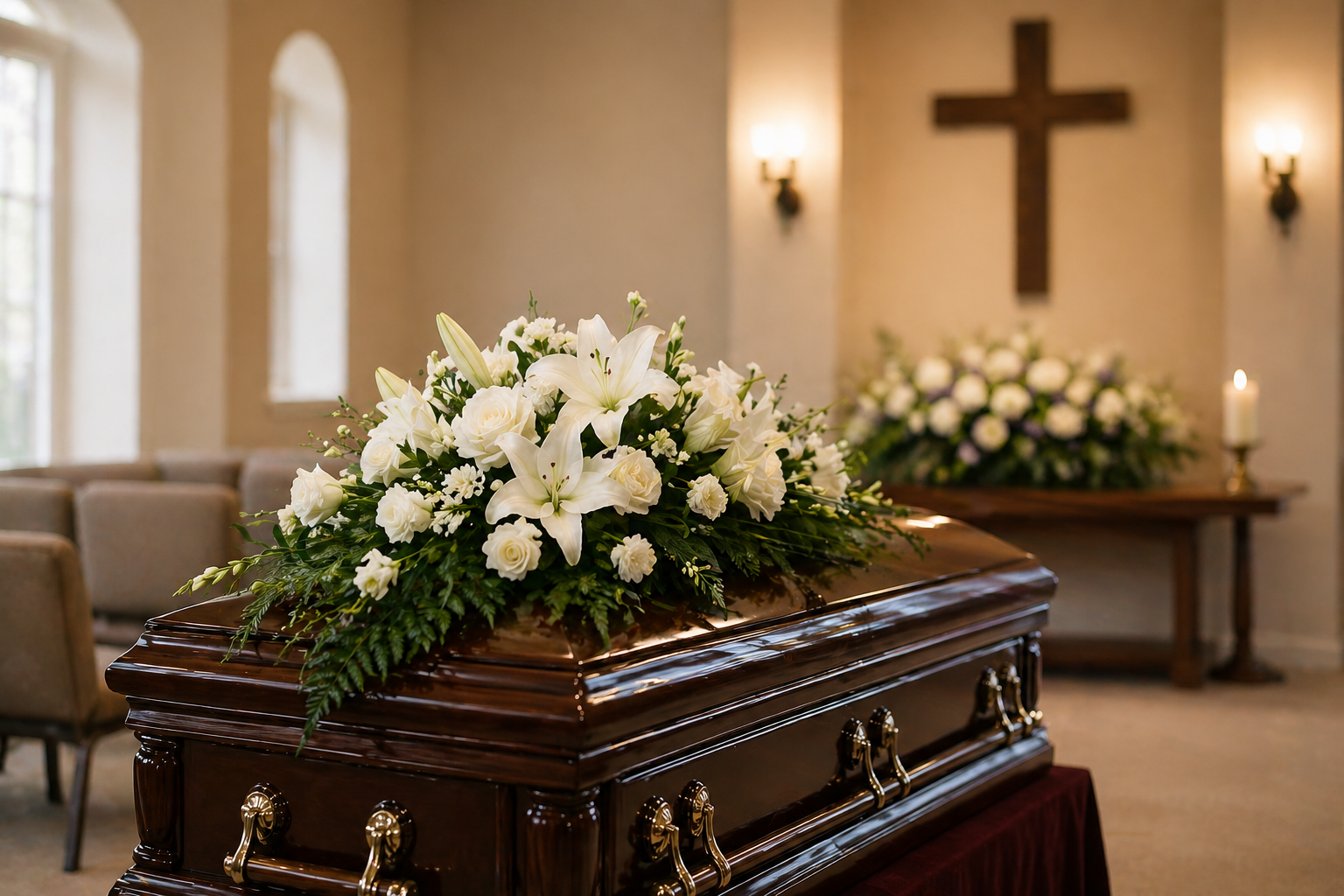
Cuando una familia está planificando un funeral, existen muchas decisiones que debe tomar, incluyendo si desea tener un ataúd abierto o cerrado . Para algunas familias, un funeral con ataúd cerrado ofrece una manera significativa y respetuosa de honrar a su ser querido, mientras permite que familiares y amigos se reúnan, recuerden y compartan momentos especiales. En Graceful Memorial Chapel , entendemos que cada familia es diferente. Nuestro equipo está aquí para ayudarle a elegir los arreglos que mejor reflejen los deseos de su ser querido y las necesidades de su familia. ¿Qué Es un Funeral con Ataúd Cerrado? Un funeral con ataúd cerrado es un servicio en el que el ataúd permanece cerrado durante la velación, la ceremonia funeraria o ambas. Incluso sin una visita con el ataúd abierto, las familias pueden crear un servicio hermoso y significativo. El ataúd puede estar rodeado de flores, fotografías, pertenencias personales, artículos religiosos, recuerdos militares u otros elementos especiales que celebren la vida de la persona que se está recordando. ¿Por Qué Algunas Familias Eligen un Ataúd Cerrado? Existen muchas razones personales por las que una familia puede elegir un ataúd cerrado. Algunas familias prefieren recordar a su ser querido como era en vida, mientras que otras pueden tener preferencias religiosas, culturales o personales. Una familia también puede elegir un ataúd cerrado cuando: Prefiere no tener una velación con el ataúd abierto. El ser querido tuvo una enfermedad grave o sufrió una lesión traumática. La familia desea una despedida más privada. Las tradiciones religiosas o culturales requieren un ataúd cerrado. La persona había expresado anteriormente su deseo de tener un ataúd cerrado. Los familiares se sienten más cómodos con una despedida privada. No existe una decisión correcta o incorrecta. Lo más importante es crear un servicio que se sienta apropiado para su familia. ¿Se Puede Tener un Servicio Funerario con un Ataúd Cerrado? Sí. Elegir un ataúd cerrado no significa que no pueda tener un servicio funerario tradicional. Las familias pueden reunirse para una ceremonia significativa en nuestra capilla . El servicio puede incluir: Reunión de familiares y amigos Oraciones o lecturas religiosas Palabras de despedida y homenajes personales Canciones favoritas o música significativa Fotografías y mesas de recuerdos Arreglos florales Honores militares Decoraciones personalizadas Una Celebración de Vida El enfoque puede permanecer en la vida, los recuerdos, las relaciones y el legado de la persona que ha fallecido. ¿Puede Haber una Visita Privada Antes de Cerrar el Ataúd? Sí. Dependiendo de los arreglos elegidos y de las circunstancias, algunas familias pueden optar por tener una visita privada antes de cerrar el ataúd . Por ejemplo, los familiares más cercanos pueden querer tener un momento privado para despedirse antes de que comience el servicio funerario, mientras que el ataúd permanece cerrado durante la velación o ceremonia para familiares y amigos. Nuestros profesionales funerarios pueden explicarle las opciones disponibles y ayudarle a elegir lo que resulte más cómodo para su familia. ¿Cómo Se Puede Personalizar un Funeral con Ataúd Cerrado? Un funeral con ataúd cerrado puede ser igualmente personal y significativo. Las familias pueden colocar alrededor del ataúd: Flores favoritas Fotografías familiares Una mesa de recuerdos Objetos personales Medallas o recuerdos militares Artículos religiosos Recuerdos relacionados con sus pasatiempos favoritos Un video conmemorativo Música significativa Estos detalles permiten que familiares y amigos recuerden a la persona por quien fue y celebren la vida que vivió. Funerales con Ataúd Cerrado y Cremación Las familias que eligen la cremación también pueden tener un servicio funerario o memorial antes de la cremación. Dependiendo de los arreglos seleccionados, puede utilizarse un ataúd durante el servicio antes de que se lleve a cabo la cremación. Esto permite que familiares y amigos se reúnan, compartan recuerdos y honren la vida de su ser querido antes de la cremación. Planifique un Funeral que Se Sienta Adecuado para su Familia Tomar decisiones funerarias mientras está pasando por un momento de duelo puede ser difícil. Es posible que no sepa si un ataúd abierto o cerrado, un funeral tradicional, una cremación o una Celebración de Vida es la mejor opción. En Graceful Memorial Chapel , nuestro equipo se toma el tiempo para explicar sus opciones y responder sus preguntas. Creemos que cada familia debe tener la información y el apoyo necesarios para tomar sus decisiones sin sentirse presionada. Sirviendo a las Familias del Norte de Houston Graceful Memorial Chapel se enorgullece de servir a las familias de: Houston Spring Tomball The Woodlands Klein Champions FM 1960 Humble Cypress North Houston Graceful Memorial Chapel Está Aquí para Su Familia Ya sea que esté considerando un funeral con ataúd cerrado , un servicio funerario tradicional, cremación o una Celebración de Vida personalizada, Graceful Memorial Chapel está aquí para ayudarle. Nuestro equipo compasivo le acompañará durante el proceso de planificación y le ayudará a crear una despedida significativa que honre la vida de su ser querido y brinde consuelo a su familia.
The body content of your post goes here. To edit this text, click on it and delete this default text and start typing your own or paste your own from a different source.
Cuando un ser querido fallece inesperadamente o bajo circunstancias que requieren una investigación, la familia puede recibir la noticia de que la persona ha sido llevada al Medical Examiner (Oficina del Médico Forense). Para muchas familias, este proceso puede ser desconocido y abrumador. En Graceful Memorial Chapel , entendemos lo difícil que puede ser este momento. Saber qué sucede después puede ayudarle a sentirse un poco más preparado y permitirle concentrarse en lo más importante: honrar y despedir a su ser querido. ¿Por Qué Llevan a una Persona al Medical Examiner? No todos los fallecimientos requieren la intervención del Medical Examiner. En el Condado de Harris, ciertas muertes inesperadas, repentinas, relacionadas con lesiones o que ocurren bajo circunstancias particulares pueden requerir una investigación para determinar la causa y la manera de la muerte . El Medical Examiner puede realizar un examen externo o, cuando es necesario, una autopsia completa. El tipo de examen dependerá de las circunstancias de cada caso. Es importante saber que ser llevado al Medical Examiner no significa automáticamente que haya ocurrido un crimen . El propósito de la investigación es determinar qué ocurrió y documentar oficialmente la causa y la manera de la muerte. ¿Qué Sucede Cuando Su Ser Querido Llega al Medical Examiner? Una vez que la persona llega a la oficina del Medical Examiner, profesionales forenses revisan el caso y determinan qué tipo de examen o investigación es necesario. El proceso puede incluir: Examen externo Autopsia, cuando sea necesaria Revisión de expedientes médicos Pruebas de toxicología u otros análisis de laboratorio Recopilación y preservación de evidencia cuando corresponda Procedimientos para confirmar la identidad Cada caso es diferente y el tiempo necesario puede variar. ¿La Familia Tiene Que Identificar a Su Ser Querido? En algunos casos puede ser necesario confirmar la identidad. Esto puede realizarse mediante diferentes métodos, como: Huellas dactilares Registros dentales Radiografías Pruebas de ADN Otros métodos científicos Si se necesita la participación de la familia, el Medical Examiner puede comunicarse con el familiar más cercano para explicar el procedimiento correspondiente. Las familias también deben saber que las visitas o velaciones generalmente se coordinan a través de la funeraria seleccionada , no directamente en las instalaciones del Medical Examiner. ¿Qué Debe Hacer la Familia? Uno de los primeros pasos para el familiar autorizado es seleccionar una funeraria y proporcionar la información necesaria. La funeraria puede ayudar a coordinar la documentación y comunicarse con el Medical Examiner para facilitar el proceso de liberación de su ser querido. En Graceful Memorial Chapel, nuestro equipo puede ayudarle a comprender los pasos que siguen y acompañarle durante el proceso. ¿Cuánto Tiempo Permanecerá Mi Ser Querido en el Medical Examiner? El tiempo puede variar considerablemente dependiendo de cada caso. Algunos casos pueden ser examinados y liberados rápidamente, mientras que otros pueden requerir más tiempo debido a pruebas adicionales, toxicología, investigación u otros procedimientos especializados. La determinación final de la causa y manera de la muerte también puede tomar tiempo. En algunos casos, los resultados se completan rápidamente; en otros, pueden permanecer pendientes durante semanas o incluso más tiempo mientras se realizan pruebas adicionales. ¿Qué Significa “Causa de Muerte Pendiente”? Las familias pueden encontrarse con el término “pendiente” al revisar información relacionada con el certificado de defunción. Esto generalmente significa que el Medical Examiner necesita información, pruebas adicionales o más investigación antes de poder finalizar la causa y manera de la muerte. Una vez que la investigación se completa, la información correspondiente puede actualizarse. ¿Se Puede Planificar el Funeral Mientras Está en el Medical Examiner? Sí. La familia puede comenzar a hablar con una funeraria y planificar los servicios mientras el Medical Examiner continúa con su investigación. En Graceful Memorial Chapel ofrecemos diferentes opciones, incluyendo: Servicios funerarios tradicionales Cremación Visitas de identificación Velaciones privadas Servicios funerarios antes de la cremación Servicios memoriales Celebraciones de Vida Servicios para veteranos Planificación anticipada Una vez que su ser querido sea liberado, nuestro equipo puede coordinar los siguientes pasos y llevar a cabo los arreglos seleccionados por la familia. ¿Qué Sucede con las Pertenencias Personales? Dependiendo de las circunstancias del fallecimiento, algunas pertenencias personales pueden ser retenidas durante la investigación. Los artículos que ya no sean necesarios para la investigación pueden ser entregados de acuerdo con los procedimientos correspondientes. Su director funerario puede ayudarle a entender cómo se manejan las pertenencias personales y qué pasos debe seguir la familia. No Tiene Que Pasar por Este Proceso Solo Sabemos que recibir la noticia de que su ser querido ha sido llevado al Medical Examiner puede agregar aún más incertidumbre a un momento ya doloroso. En Graceful Memorial Chapel , nuestro equipo está aquí para ayudarle a comprender el proceso, responder sus preguntas, comunicarse con las agencias correspondientes y ayudar a coordinar los arreglos funerarios una vez que su ser querido sea liberado. Servimos con orgullo a las familias de Houston, Spring, Tomball, The Woodlands, Klein, FM 1960, Humble, Cypress y comunidades cercanas . Graceful Memorial Chapel Está Aquí para Ayudarle Si su ser querido ha sido llevado al Medical Examiner y no sabe qué hacer después, no tiene que navegar este proceso solo . Nuestro equipo en Graceful Memorial Chapel puede ayudarle a conocer las opciones de funeral y cremación disponibles y acompañarle durante los arreglos una vez que su ser querido sea liberado. Es un honor para nosotros brindar orientación, dignidad y respeto a las familias durante algunos de los momentos más difíciles de la vida.
When a loved one passes away unexpectedly or under circumstances that require further investigation, families may be told that their loved one has been taken to the Medical Examiner’s Office . For many families, this can be an unfamiliar and overwhelming experience. At Graceful Memorial Chapel , we understand how difficult this time can be. Knowing what happens next can help provide some reassurance and allow your family to focus on honoring your loved one’s life. Why Would Someone Be Taken to the Medical Examiner? Not every death requires the involvement of a medical examiner. In Harris County, the Harris County Institute of Forensic Sciences investigates certain sudden, unexpected, suspicious, or injury-related deaths to determine the cause and manner of death. ( Institute of Forensic Sciences ) The medical examiner may perform either an external examination or, when necessary, a complete autopsy. The type of examination depends on the individual circumstances of the death. ( Institute of Forensic Sciences ) Being taken to the Medical Examiner does not automatically mean that something criminal happened . The purpose of the investigation is to determine what happened and document the cause and manner of death. What Happens After Your Loved One Arrives? Once your loved one arrives at the Medical Examiner’s Office, the case is reviewed by forensic professionals. The examination may include: An external examination An autopsy when necessary Medical record review Toxicology or other laboratory testing Collection and preservation of evidence when applicable Identification procedures Every case is different, and the amount of time required can vary. Does the Family Have to Identify Their Loved One? In some situations, identification may be necessary. Identification can involve fingerprints, dental records, X-rays, DNA, or other scientific methods. In Harris County, if identification is required, a representative from the Medical Examiner’s Office will contact the next of kin to discuss the appropriate method. ( Institute of Forensic Sciences ) Families should also know that viewings are generally arranged through the selected funeral home rather than at the Medical Examiner’s Office . ( Institute of Forensic Sciences ) What Should the Family Do? One of the first steps for the legal next of kin is to select a funeral home and let the funeral director know that the death is being handled by the Medical Examiner. Your funeral home can help coordinate the necessary paperwork and work with the Medical Examiner’s Office regarding the release of your loved one. ( Institute of Forensic Sciences ) At Graceful Memorial Chapel, our team can help guide your family through this process and explain what needs to happen next. How Long Will Your Loved One Remain at the Medical Examiner? The timing varies from case to case. Many cases can be examined and released within approximately 24 hours, but some circumstances may require additional time. Certain cases may take longer when additional testing, investigation, or specialized examination is necessary. ( Institute of Forensic Sciences ) The determination of the cause and manner of death may also take additional time. Some cases are finalized quickly, while others may remain pending for weeks or months while additional testing is completed. ( Institute of Forensic Sciences ) What Does “Cause of Death Pending” Mean? Families may see the word “pending” on a death certificate or case information. Pending generally means that the Medical Examiner needs additional information, testing, or investigation before the cause and manner of death can be finalized. A pending death certificate is still legal proof of death, although acceptance by insurance companies and financial institutions can vary. ( Institute of Forensic Sciences ) Once the investigation is complete, the Medical Examiner can update the medical information on the death certificate. Can You Still Plan a Funeral or Cremation? Yes. Your family can begin making funeral arrangements while the Medical Examiner’s investigation is taking place. Graceful Memorial Chapel can help you plan: Traditional funeral services Cremation services Identification viewings Private family viewings Funeral services before cremation Memorial services Celebrations of Life Veteran services Pre-planning arrangements Once your loved one is released, our team can coordinate the next steps and carry out the arrangements selected by your family. What About Your Loved One’s Personal Belongings? The Medical Examiner’s Office may collect personal property that was found on your loved one at the time of death. Property that does not need to remain part of an investigation may be released to the funeral home selected by the family. ( Institute of Forensic Sciences ) Your funeral director can help coordinate the return of applicable personal belongings to the family. You Don’t Have to Go Through This Alone We understand that having your loved one taken to the Medical Examiner can add another layer of uncertainty to an already heartbreaking experience. At Graceful Memorial Chapel , our compassionate staff is here to help answer your questions, communicate with the appropriate agencies, coordinate the release of your loved one, and help your family plan a meaningful farewell. We proudly serve families throughout Houston, Spring, Tomball, The Woodlands, Klein, FM 1960, Humble, Cypress, and surrounding communities . Graceful Memorial Chapel Is Here to Help If your loved one has been taken to the Medical Examiner and you are unsure what to do next, you don’t have to navigate the process alone. Our team at Graceful Memorial Chapel can help you understand the funeral and cremation options available to your family and assist with the arrangements once your loved one is released. We are honored to provide compassionate guidance, dignity, and respect to families during some of life’s most difficult moments.

Elegir una urna es una parte importante de la planificación de un servicio de cremación. Una urna no es simplemente un recipiente para las cenizas; puede convertirse en un homenaje permanente y significativo para recordar a alguien especial. En Graceful Memorial Chapel , entendemos que cada familia tiene diferentes preferencias, tradiciones y presupuestos. Existen muchos tipos de urnas para cremación, permitiendo que cada familia encuentre una opción que se sienta apropiada para su ser querido. ¿Qué Es una Urna para Cremación? Una urna para cremación es un recipiente diseñado para conservar los restos cremados de una persona. Las urnas están disponibles en diferentes materiales, tamaños, estilos, colores y diseños . Algunas familias eligen una urna por su apariencia, mientras que otras consideran cómo desean conservar, enterrar o colocar los restos de su ser querido. Diferentes Tipos de Urnas para Cremación 1. Urnas Decorativas Tradicionales Las urnas tradicionales están disponibles en una gran variedad de estilos y pueden ser una hermosa opción para exhibir en el hogar. Pueden incluir: Diseños elegantes Grabados Diseños florales Símbolos religiosos Diseños personalizados Diferentes colores y acabados Una urna decorativa puede proporcionar un lugar especial y permanente para recordar a su ser querido. 2. Urnas de Metal Las urnas de metal son una opción popular debido a su durabilidad y variedad de diseños. Algunos materiales incluyen: Latón Acero inoxidable Aluminio Bronce Las urnas de metal pueden tener un estilo clásico, moderno o personalizado. 3. Urnas de Madera Las urnas de madera ofrecen una apariencia cálida y natural. Pueden fabricarse con diferentes tipos de madera y personalizarse con el nombre, fechas, mensajes o diseños especiales. Una urna de madera puede ser especialmente significativa para alguien que disfrutaba de la naturaleza o apreciaba la artesanía tradicional. 4. Urnas de Cerámica y Porcelana Las urnas de cerámica y porcelana pueden ofrecer una opción elegante y artística. Están disponibles en diferentes colores, formas y diseños decorativos. Muchas familias eligen este tipo de urna porque puede parecer una hermosa pieza de decoración o arte dentro del hogar. 5. Urnas para Dos Personas Las urnas para dos personas , también conocidas como urnas de compañía, están diseñadas para conservar los restos cremados de dos personas. Pueden ser una opción significativa para esposos, parejas u otros seres queridos que desean permanecer juntos. 6. Urnas Pequeñas o de Recuerdo Las urnas pequeñas, conocidas como urnas de recuerdo , permiten que una familia conserve una pequeña porción de los restos cremados. Algunas familias eligen varias urnas de recuerdo para que diferentes familiares puedan conservar un recuerdo especial de su ser querido. 7. Urnas Personalizadas Personalizar una urna puede convertirla en un homenaje único. Las familias pueden considerar agregar: Nombre Fechas importantes Una frase especial Fotografías Símbolos religiosos Emblemas militares Un mensaje personal Una urna personalizada puede reflejar la personalidad, los intereses y la vida de la persona que estamos recordando. ¿Qué Tamaño de Urna Necesito? Las urnas para cremación vienen en diferentes tamaños. El tamaño apropiado generalmente depende de la cantidad de restos cremados y del tipo de urna que la familia elija. Si no está seguro de qué tamaño necesita, nuestro equipo puede ayudarle a comprender las diferentes opciones. ¿Cómo Elegir la Urna Adecuada? No existe una sola urna que sea perfecta para todas las familias. Al elegir una, puede considerar: ¿Dónde se conservará? Algunas familias colocan la urna en su hogar, mientras que otras eligen enterrarla o utilizarla como parte de otro tipo de memorial. ¿Desea personalizarla? Un grabado, una fotografía o un diseño especial puede crear un homenaje único. ¿Qué material prefiere? La madera, el metal, la cerámica y otros materiales ofrecen diferentes estilos y apariencias. ¿Cuál es su presupuesto? Existen opciones de urnas para diferentes presupuestos. Lo más importante es elegir una urna que tenga un significado especial para usted y su familia. Servicios de Cremación en Graceful Memorial Chapel En Graceful Memorial Chapel , entendemos que elegir la cremación es una decisión profundamente personal. Nuestro equipo está disponible para responder sus preguntas sobre cremación, urnas, servicios memoriales y diferentes maneras de honrar a su ser querido. Las familias también pueden elegir tener un servicio en nuestra capilla antes o después de la cremación, incluyendo servicios funerarios, memoriales o una Celebración de Vida personalizada. Servimos con orgullo a las familias de Houston, Spring, Tomball, The Woodlands, Klein, FM 1960, Humble, Cypress y comunidades cercanas . Contáctenos en Graceful Memorial Chapel Si está considerando la cremación y necesita ayuda para conocer sus opciones de urnas para cremación , Graceful Memorial Chapel está aquí para ayudarle. Nuestro equipo puede explicarle las diferentes opciones disponibles y ayudar a su familia a crear un homenaje significativo que honre la vida y memoria de su ser querido.